A Question of Artistic Labour
Or why art has long been about ideas, not just physical labour.

related articles
Digital art: what to expect in 2025?
New formats, brave decisions and unexpected discoveries.
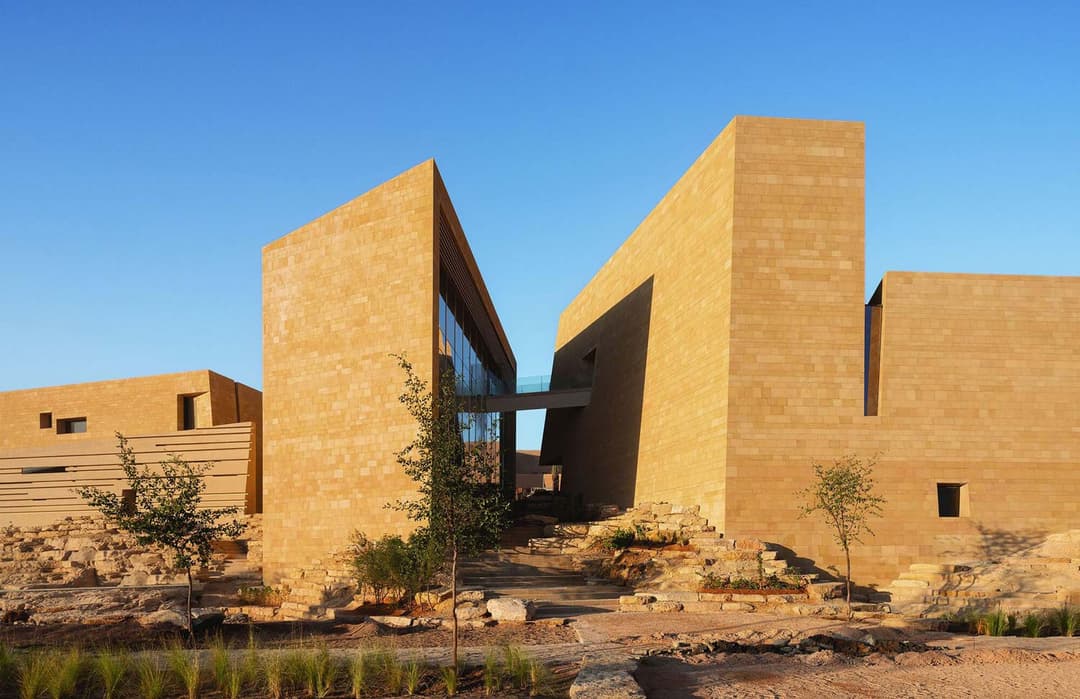
<h3 dir="ltr">Digital art will form more institutions and art fairs</h3> <p dir="ltr">We enter 2025 with new art centres and museums dedicated to digital art, AI and new media, that have just welcomed their first visitors or are about to open. While it still takes time for major museums to adjust to the changes, the crypto art community has already started to establish new venues dedicated to digital art. The concept of these new places reflects a strong need not only for exhibition spaces but educational centres and a room for communication and critical analysis of the field.</p> <p dir="ltr">Among the new dots on the map is Diriyah Art Futures (DAF) in Riyadh—the first New Media Arts hub in the Middle East and North Africa. 12,000 square-foot space designed by the Italian bureau Schiattarella Associati, DAF will bring under its roof an exhibition space, a laboratory and a school.</p> <p dir="ltr">Another significant venue is the first A.I. museum Dataland by Refik Anadol Studio which will open in LA. Located inside Grand L.A., a mixed-use complex designed by Frank Gehry, the 20,000-square-foot museum designed by Gensler architects will unite arts, science, AI research, and cutting-edge pioneers. One of the new distinctive features of this private museum will be the opportunity to purchase some digital artworks that will go towards supporting its activities.</p> <p dir="ltr"><img src="https://cdn72109500.ahacdn.me/news/upload-2192530021.jpg" alt="Refik Anadol, DATALAND" width="1500" height="844"><br><span class="custom-span">DATALAND, Image: Studio Refik Anadol</span></p> <p dir="ltr">Following the opening of an immersive art museum teamLab Borderless in Tokyo, the other grand opening of the near future is—Sphere in Abu Dhabi. </p> <p dir="ltr">As promised by UAE officials, Sphere is going to set “new standards in immersive experiences and cultural offerings” with the involvement of major digital artists.</p> <p dir="ltr">There is still a vast potential for traditional museums to explore and showcase digital art. The latest collaboration of Museum of the Moving Image in NYC with Tezos demonstrated how a collaborative show can involve new people in curating and collecting digital art. The New Museum in NYC is awaiting its new 60,000 square-feet building in the Lower East Side that will host, among other things, the museum’s digital art programme Rhizome, including space not only for the shows and public talks but for art residencies as well.</p> <p dir="ltr">The digital community requires not only venues but also short-term annual events. After the emergence of the Digital Art Mile in Basel, where TAEX was proud to participate, we can expect more annual digital art market gatherings.</p> <p dir="ltr">The world’s biggest art fair—Art Basel—expanded Digital Art Dialogues into their programme in 2024. TAEX was proud to participate in its Basel edition and to co-host Paris and Miami Beach events and panel talks. This sends a clear signal: conversations about contemporary art will be unthinkable without the digital.</p> <p dir="ltr"><img src="https://cdn72109500.ahacdn.me/news/upload-2069057557.jpg" alt="TAEX x Art Basel. Digital Dialogues Miami Beach" width="1512" height="1009"><br><span class="custom-span">Digital Dialogues at Art Basel Miami Beach 2024</span></p> <h3 dir="ltr">Tailwind from the market</h3> <p dir="ltr">Crypto art has always been chased by the scepticism around cryptocurrency. But with the Bitcoin rate of $103,800 it gets harder to remain suspicious of the crypto universe. As FT <a href="https://www.ft.com/content/0233a9c6-1de1-4080-9598-055253717c8b">put it</a>, “Bitcoin’s big bang moment is impossible to ignore”. Do not forget that the high hopes and optimism are based on the expected pro-crypto regulations in the U.S. from the future White House administration. </p> <p dir="ltr">The era of global geographical recalibration</p> <p dir="ltr">Middle East countries take a stronger initiative in digital art innovations and investments. Supported by state ministries and institutions, Saudi Arabia and the United Arab Emirates launched unprecedented venues and festivals focused on digital art. Western institutions respond to these fundamental changes by expanding to the region. Thus, Christie’s opened its very first office in Riyadh, and Sphere Entertainment moved on towards Abu Dhabi.</p> <h3 dir="ltr">Editorial boom on digital art </h3> <p dir="ltr">An intense technological progress and growing artistic interest towards digital art boosted the research around it and, as a consequence—the publishing houses. The book of the year is, without a doubt, a Taschen edition of On NFTs by Robert Alice. An eloquent selection of 101 key digital artists by the crypto pioneer Robert Alice clearly demonstrates how digital and crypto art makes it to the History of Art in front of our eyes. On NFTs became a collectible in itself. </p> <p dir="ltr"><img src="https://cdn72109500.ahacdn.me/news/upload-2368997424.jpg" alt="Robert Alice, On NFTs, Taschen" width="1200" height="800"><br>Robert Alice, On NFTs, Image: Taschen</p> <p dir="ltr">We may observe the emergence of the new periodicals as well. The new 176-pagebiannual The AI Art Magazine published by a German polaroids.studio will focus on AI-generated art, its boundaries and concepts. There are plenty of exciting editions to come in the upcoming year. </p> <p dir="ltr">TAEX is delighted to contribute to this editorial line as well by releasing a guide by Antonio Geusa What Crypto Can Do for Art— What Art Can Do for Crypto, that helps everyone to navigate in the crypto universe.</p> <h3 dir="ltr">Leaving phygital behind?</h3> <p dir="ltr">The habits of art collecting are impacted by the global development of digital art. According to Art Basel annual Survey of Global Collecting there is “a substantial improvement in digital sales platforms” that is getting collectors more comfortable and engaged with online channels. For art lovers it is getting more clear <a href="/news/38/how-to-keep-and-expose">how to keep and expose digital art after purchase</a> with the emergence of companies that assist in displaying digital art collections at home. </p> <p dir="ltr">Collectors got more familiar with purely digital artworks that do not have a phygital element. Art lovers start to notice and enjoy the changes brought by digital art such as the freedom of changing the exposed works to the ease of bringing them with you wherever you go. </p> <p dir="ltr"> </p> <p dir="ltr">Digital art proves itself to be more flexible and rapidly developing. While new venues and events are setting up, we can definitely say: the soil for the new generation of digital artists is fully ready. </p> <p> </p>
How digital artists use big data
Poetics of big data and its potential.
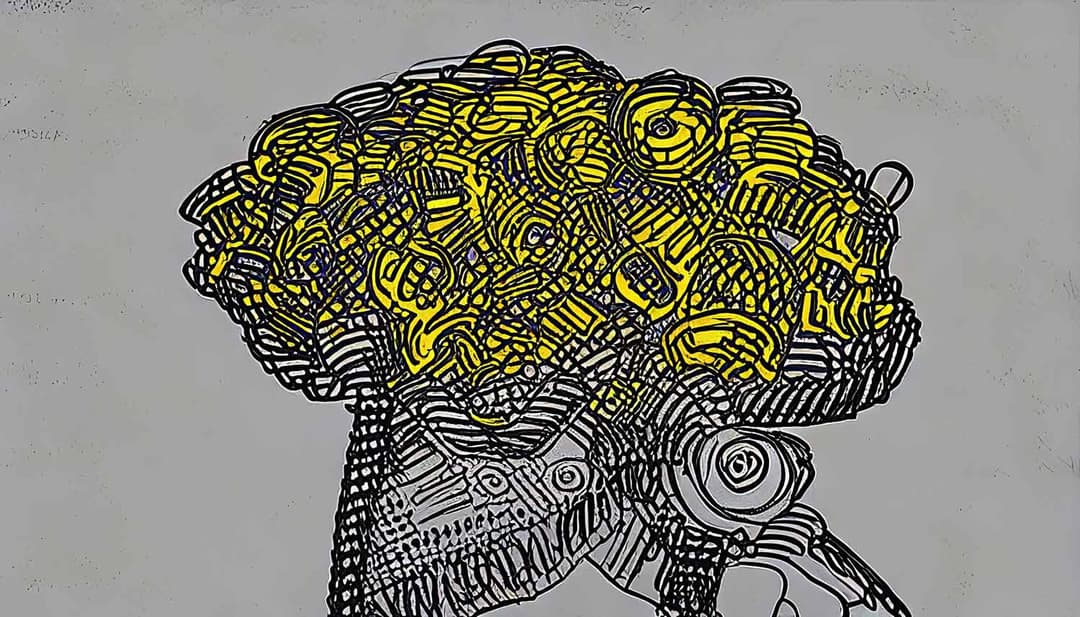
<h3 dir="ltr">When it comes to big data and art, let’s first define the notions. What data are we talking about, and why is it big? To put it simply, big data is a dataset that is too extensive to be studied conventionally. The term ‘big data’ became popular in the end of the XX century, when the amount of data collected became too large to be dealt with using traditional data analysis methods. Big data sets can be structured or unstructured, and they can be related to almost anything. Big data can be used in medicine, sociology, politics and many more fields. </h3> <p dir="ltr">Bigger scope of statistics always fascinated people. In recent years the questions of data sovereignty and security have become the focus of global and domestic policies. Every software using this big data is impacted by the local regulations of the country producing it. The AI summit in Paris is another proof that big data is now at the core of global strategies. The artists from Vera Molnár to Refik Anadol reflect a growing interest and use big data in their practice.</p> <h3 dir="ltr">AI=Big data</h3> <p dir="ltr">All AI art pieces can be referred to as big data art since big data lies at the very foundation of AI. For instance, in You’re Making Art by Andrea Meregalli even though all the pieces are generated by artificial intelligence, they simply wouldn’t exist without the artist’s effort, both in training the machine and capturing the images. It is the artist’s idea that drives the project and without it, we would be looking at “soulless” pixels. In this case, AI requires (and depends on) the original idea. </p> <div class="interactive-block">332</div> <p dir="ltr">In the practice of AI-Da, the first ever android-artist, artificial intelligence and digital art are not simply intertwined, but seem to not be able to exist without each other. This new connection will, of course, only become stronger with time. AI-Da’s art is a triumph of the digital, a peak of machine production.</p> <p dir="ltr">Sasha Stiles explores the literary potential of big data, both visually and as spoken word. In 2019, she created Technelegy—a custom text generator fine-tuned to her own writing and research materials. Following the discoveries of conceptualism, Stiles intertwines a linguistic and literary agenda with the latest technologies. In her own <a href="https://www.artbasel.com/stories/sasha-stiles-how-technology-renews-relationship-with-storytelling?lang=en">words</a>, “it is becoming a way to describe this transhuman poet” that she is transforming herself into.</p> <div class="interactive-block">685</div> <p dir="ltr">But what does it mean for digital art? Will the role of artists gradually fade into nonexistence or are humans still key to producing AI-generated objects? </p> <p dir="ltr">There is no one answer to this question, as there is no one opinion on whether a certain artist is “good” or “bad”. And, if we may say so, Ai-da’s art pieces are not made to be adored. AI today still lacks the ideology, a part of modern art that, at times, is even more important than art itself.</p> <p dir="ltr">There are, of course, ethical issues when it comes to AI. Over-replication and copyright are just some of the concerns in the art world. This, however, is a different story. </p> <h3 dir="ltr">Poetics of big data</h3> <p dir="ltr">Big data can serve as a foundation for an art piece, and numerous artists have exploited data in their art. In this scenario, the art is not produced by AI but instead uses quintillions of bytes of data to get the core of the object being produced. MAOTIK’s Flow, for example, works with weather data to create an interactive installation which depends on many factors to produce a unique experience for the viewer. </p> <p dir="ltr"><img src="https://cdn72109500.ahacdn.me/news/upload-355427120.jpg" alt="MAOTIK, Flow, 2016" width="700" height="450"><br><span class="custom-span">MAOTIK,<em> Flow</em>, 2016, Image: MAOTIK</span></p> <h3 dir="ltr">Socially-engaged data art</h3> <p dir="ltr">If we want to turn raw datasets into digital art, one option is to simply work with computer software to create colourful graphs that can be art objects themselves. Such, for example, is the work of Aaron Koblin. At the core of many of his works is big data visualisation. The idea of representing data in such a way that it becomes art allows for social art since much of the data artists work with is collected from human behavioural patterns and their actions. Travel, text messaging, shopping—all of it can now be used in art production. </p> <p dir="ltr"><img src="https://cdn72109500.ahacdn.me/news/upload-886654241.jpeg" alt="Aaron Koblin, Flight Patterns, 2009" width="1597" height="980"><br><span class="custom-span">Aaron Koblin, <em>Flight Patterns</em>, 2009, Image: V&A</span></p> <p dir="ltr">It depends, however, on our perception of data vs. privacy. Do we want our personal information to be used in art (or elsewhere)? Are we ok with the fact that almost none of our actions remain private today? If so, big data is key to a new form of art. </p> <p dir="ltr">Entangled Cities by Stanza explores the future of cities powered by algorithms. His data-driven co-creation systems act as autonomous consciousness and suggest urban solutions. For now, it is hypothetical, but it is something that may be brought into a real city solution tomorrow. Stanza’s artistic practice demonstrates how artists anticipate the future of technologies and the use of big data.</p> <p><strong><img src="https://cdn72109500.ahacdn.me/news/upload-1256060620.jpg" alt="Stanza, Entangled Cities" width="1500" height="844"><br></strong><span class="custom-span">Stanza, <em>Entangled Cities</em>, 2024, Image: Stanza</span></p> <p dir="ltr">The immensity of big data is captivating. Empowered by its potential, both artists and the audience get a sense of engagement with something bigger. In the hands of the creator, big data turns into a vital tool for socially-engaged art, into a source of aesthetic exploration.</p> <p dir="ltr">Even if the emergence of data regulations may, and most certainly will, strengthen censorship, there are more pros than cons on the table. By gathering big data more thoughtfully and eloquently, digital artists have so many discoveries ahead of them.</p> <p> </p>
Stay Tuned
Be the first to learn about new collections, events, and more.